There’s something about the chime of a progressive slot that stops you mid-stride, whether you’re spinning at Crown Melbourne or tapping your phone on a Sydney tram. Jackpots climbing past eight figures have a way of turning a quiet arvo into a heart-racing moment, which is exactly why progressive machines keep pulling in punters from Perth to Brisbane.
If you’ve ever wondered how the maths behind those eye-watering prize pools actually works, this walkthrough unpacks the nuts and bolts of progressive slot machine payout returns. We’ll cover how jackpots feed themselves, what return-to-player figures really mean for your wallet, and which Aussie-friendly platforms stack up when the meter starts ticking.
| Casino | Jackpot Variety | Average RTP | Standout Network | Mobile Play |
|---|---|---|---|---|
| Joe Fortune | 40+ progressive titles, daily must-drop | 94.8% | Microgaming WowPot | Yes |
| Ripper Casino | 25 progressives, Mega Moolah linked | 93.5% | Microgaming Mega Moolah | Yes |
| Fair Go Casino | 18 progressives, local jackpots | 95.1% | Realtime Gaming | Yes |
| Ignition | 30+ progressives, Hot Drop jackpots | 94.2% | Bovada network | Yes |
| PlayAmo | 50+ titles, multi-tier progressives | 93.9% | NetEnt + Microgaming | Yes |
Joe Fortune sits comfortably among the leaders of the Australian market, with a stable of progressives that rivals anything you’ll find at a Brisbane gaming lounge or a Star Entertainment venue. Most locals reckon the daily must-drop jackpots are the real drawcard.
How progressive jackpots actually work
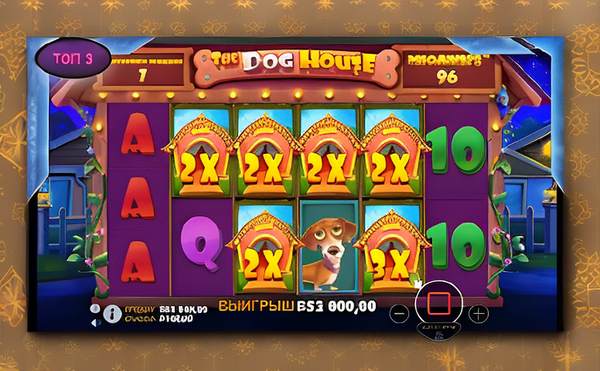
Unlike a standard pokie that pays a fixed top prize, a progressive machine takes a tiny slice of every wager and feeds it into a communal prize pool. A sliver of each spin, often between 1% and 5% of the bet, gets siphoned into the jackpot kitty, which is why that meter keeps climbing while you watch.
The meter ticks upward until some lucky punter lands the winning combination or triggers the bonus round that releases the loot. At that point, the meter resets to a seed amount – usually a few thousand bucks – and starts climbing all over again. This self-feeding model is what makes top prizes balloon into the millions, defo a sight to behold when the numbers dance.
Cracking the RTP code for jackpot slots
Return-to-player percentages on progressive machines can mislead even seasoned players. The published RTP usually accounts for base game wins, but the headline-grabbing jackpot sits in a separate mathematical universe. Some games list a base RTP of around 92% while reserving another 3-5% for the progressive contribution, which means your actual long-term return depends heavily on whether the jackpot drops during your session.
Volatility also plays a hefty role in how those numbers feel in your hip pocket. A high-volatility progressive might pay out nothing for 200 spins then suddenly hand over a five-figure prize, whereas a low-volatility variant dishes out smaller hits more often. Aussie regulators under the Interactive Gambling Act don’t allow offshore operators to advertise specific odds, so reading the paytable carefully becomes non-negotiable.
The smart approach is comparing RTP across different progressive networks rather than obsessing over a single figure. That’s why platforms like ripper casino ndb keep punters informed about the latest must-drop schedules, so you know when the meter is closest to a guaranteed trigger.
Standalone, local, and wide-area networks
Not every progressive ticks at the same speed. Standalone machines carry their own jackpot, fed only by bets on that single unit, which means the top prize stays modest and the meter climbs slowly. You’ll find these tucked into the corner of a pub in Adelaide or scattered across regional RSLs, and they rarely exceed a few grand.
Local area progressives link multiple machines within the same venue or operator, pooling bets from dozens of units. The meter climbs faster, prizes reach five figures more often, and the maths balance shifts slightly in your favour because the jackpot pool draws from a wider betting base. Many online casinos replicate this setup by linking games within their own platform.
Wide-area networks sit at the top of the food chain. These juggernauts connect machines across multiple operators and sometimes multiple countries, with prize pools that routinely crack $5 million, $10 million, even $20 million on flagship titles like Mega Moolah or Wheel of Wishes.
Bankroll moves when the reels get wild
Progressive slots eat bankrolls faster than a hungry kookaburra, so smart money management separates the dreamers from the disciplined. The biggest rookie mistake is sizing bets based on what the jackpot is worth rather than what your wallet can handle. A $20 million mega jackpot sounds tempting, but if max-betting your way to eligibility costs $5 a spin and your session bankroll is $50, you’ll be out of action before the kettle boils.
The rule of thumb seasoned Aussies tend to follow is splitting their session into units and treating each progressive spin as entertainment spend, not an investment. If you’ve got $200 across an arvo, capping yourself at $1 to $2 per spin keeps you in the game for 200 spins minimum, which dramatically improves your odds of triggering a bonus feature.
Chasing losses by bumping your bet size after a cold streak is the fastest path to a busted bankroll. Every spin is an independent event, and doubling down on tilt is a sure way to watch your funds evaporate. Stick to your unit size, take breaks, and walk away when you’ve hit your pre-set stop loss.
Strategies that actually tilt the odds your way
While no strategy guarantees a jackpot, a few habits tilt the odds of enjoyment and value in your favour:
- Bet the maximum when required. Some progressives only award the top prize to max-credit players. Skimping on coins locks you out of the main event entirely.
- Hunt for high seed values. A machine that resets at $5,000 offers better long-term value than one starting at $500, even if the headline RTP is identical.
- Time your sessions around must-drops. Daily jackpots trigger on a timer, not a random seed, so spinning right before deadline gives you a real edge.
- Mix progressives with regular pokies. Bankrolling your jackpot chase with mid-volatility games keeps your session engaging and cushions the dry spells.
Bankroll diversification is a tactic borrowed from serious poker players, and it works a treat for slots too. By rotating between three or four progressive titles and a couple of steady-return pokies, you stretch your entertainment dollar further and reduce the sting of cold streaks on a single machine.
For punters who like to back their judgment with hard data, sports betting analysis tools run handy calculators that translate RTP and volatility into real-dollar expectations. Plugging your usual bet size into those tools gives you a brutally honest picture of what a year of progressive play actually costs on average.
Myths that cost Aussie players real money
One of the biggest whoppers doing the rounds is the idea that a machine is “due” to hit after a long dry spell. Modern pokies use random number generators that reset every millisecond, so past results have zero influence on future outcomes. The meter climbing higher doesn’t mean the probability increases – it just means the payout will be bigger when it eventually lands.
Another persistent myth is that playing at certain times of day improves your odds. Whether you’re spinning at 2am in Surfers Paradise or 10am over a flat white in Parramatta, the maths stays identical. Time-of-day patterns are a relic of old mechanical machines that had predictable payout cycles, and they have no bearing on digital RNG games.
For investors who appreciate a bit of market chatter around their gaming sessions, Australian investing forums sometimes feature threads about casino stock movements and promotional cycles. While those conversations don’t predict individual jackpot hits, they can flag periods when operators ramp up bonus offers.
Picking the right platform matters just as much as picking the right machine. Joe Fortune continues to hold its spot among the leaders of the Australian market thanks to consistent jackpot drops, a deep game library, and a banking experience that doesn’t make you jump through hoops to deposit or withdraw. Ready to put these numbers into practice? Lock in your bankroll plan, give those progressive reels a fair shake, and remember that the maths on your side starts with making informed choices about where, when, and how you play. No worries if the first session doesn’t drop the jackpot – the dream is half the fun.